How to File a Petition for Probate in California
When a loved one passes away, the legal and administrative tasks that follow can feel overwhelming. One of the most common questions families ask is how to file a petition for probate in California. In many cases, opening a probate case is the first major step toward collecting assets, paying debts, and transferring property to heirs or beneficiaries.
If you are handling an estate and need practical help with forms and filing, a California Legal Document Assistant, or LDA, may be able to assist with document preparation at your direction. For people who know they need to open probate but want affordable support preparing paperwork such as the Petition for Probate (DE-111) and related estate administration documents, working with an LDA can be a valuable option.
This article explains how to file a petition for probate in California, what documents are commonly involved, what the probate process generally looks like, and how a California LDA helps clients prepare and organize probate filings without giving legal advice.
What Is a Petition for Probate in California?
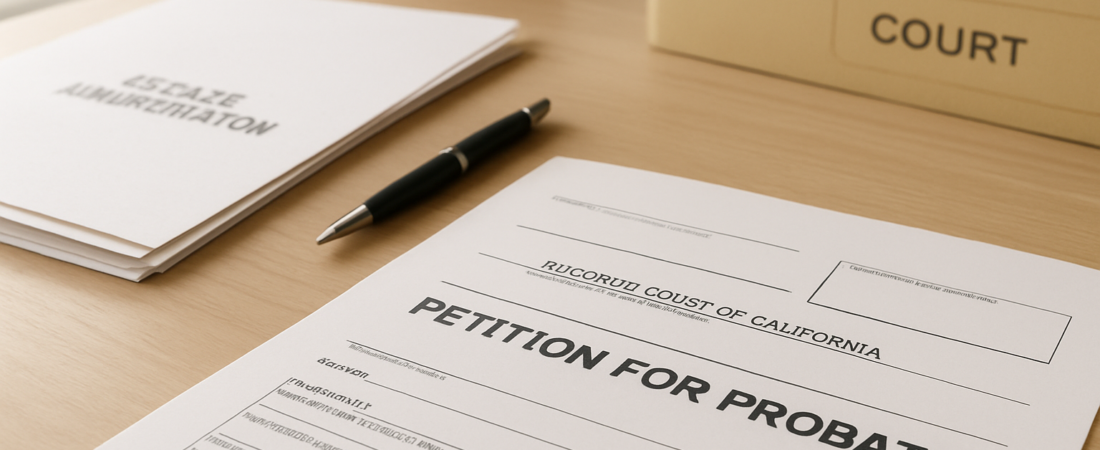
A Petition for Probate is the court filing used to ask the Superior Court to open a probate case and appoint a personal representative for the estate. Depending on the situation, the personal representative may be:
- An executor, if there is a valid will naming that person
- An administrator, if there is no will or no executor able to serve
- An administrator with will annexed, in certain cases where a will exists but the named executor cannot act
In California, the main form used to begin this process is usually Form DE-111, Petition for Probate. The court uses the petition and supporting paperwork to review basic information about the decedent, the estate, the will if one exists, and the person requesting appointment.
For many families searching online for how to file a petition for probate in California, the real challenge is not only understanding the legal terms, but also gathering the right details, completing the forms correctly, and following local court filing procedures.
When Probate May Be Required
Probate is not required in every estate. However, formal probate may be necessary when the decedent owned assets in their name alone that do not pass automatically by beneficiary designation, joint ownership, or trust administration. Whether probate is required depends on the nature and value of the assets and the facts of the estate.
Examples of assets that may trigger probate can include:
- Real property titled solely in the decedent’s name
- Bank or investment accounts without a payable-on-death beneficiary
- Personal property that exceeds applicable small estate limits
- A will that must be lodged with the court and administered through probate
Because the need for probate can depend on legal analysis, an LDA cannot decide for you whether probate is required or advise you on legal strategy. If you are unsure whether probate is necessary, whether a small estate procedure applies, or how title should pass, you should consult a licensed California attorney.
Important Disclaimer About Legal Document Assistants
A California Legal Document Assistant is a non-attorney who prepares documents at the client’s direction. An LDA can provide self-help services, assist with typing and completing forms based on information you provide, help organize paperwork, and offer procedural support. An LDA cannot give legal advice, cannot represent you in court, cannot tell you what you should do, and cannot choose legal forms or strategies for you.
If you have legal questions about inheritance rights, validity of a will, creditor claims, notice requirements, disputes among heirs, or whether a probate petition is the best option, you should speak with a California probate attorney.
How to File a Petition for Probate in California: Step-by-Step Overview
If you are trying to understand how to file a petition for probate in California, it helps to break the process into manageable steps. While every county may have local rules and every estate is different, the process often includes the following stages.
1. Gather Core Estate Information
Before preparing DE-111, you typically need to collect key information about the decedent and the estate, such as:
- Full legal name of the decedent
- Date and place of death
- County of residence at death
- Original will and any codicils, if they exist
- Names and addresses of heirs and beneficiaries
- General description of estate assets
- Estimated value of real and personal property subject to probate
- Information about the person seeking appointment
An LDA can help you organize this information into a workable intake checklist so the petition documents can be prepared at your direction.
2. Prepare the Petition for Probate (DE-111)
The central document in the filing is usually DE-111. This form asks for information about the decedent, the proposed personal representative, whether there is a will, and what authority is being requested from the court.
When people search for how to file a petition for probate in California, they often discover that DE-111 contains multiple sections that must be completed carefully and consistently with the rest of the filing package. Errors, omissions, or inconsistent information can delay the hearing or trigger a court rejection.
At your direction, an LDA may assist by:
- Typing information into DE-111 based on the details you provide
- Formatting the petition package for filing
- Checking for completeness in names, dates, signatures, and attachments
- Organizing the supporting documents that commonly accompany the petition
3. Prepare Related Probate Forms
In many cases, filing a Petition for Probate in California involves more than just DE-111. Depending on the estate and the county, related forms may include documents such as:
- Notice of Petition to Administer Estate
- Duties and Liabilities of Personal Representative
- Order for Probate
- Letters Testamentary or Letters of Administration
- Confidential supplemental information forms if required
- Proofs of publication or notice documents
- Lodging of the original will, if applicable
- Local county probate forms
A California LDA can help prepare and organize these documents at your direction so your filing packet is assembled in a logical and court-ready manner.
4. File the Probate Petition With the Correct Superior Court
Generally, the probate case is filed in the California Superior Court for the county where the decedent lived at the time of death. If the decedent did not live in California but owned property in the state, venue issues can become more complex and may require legal advice.
Filing usually involves submitting the petition package, paying the filing fee, and obtaining a hearing date from the court clerk or through the court’s filing system. Some counties may allow or require electronic filing, while others may have specific probate window procedures or reservation requirements.
An LDA may provide filing support by:
- Helping assemble the filing packet in the proper order
- Reviewing court formatting requirements and local procedural instructions
- Preparing courtesy copies or conformed-copy sets
- Assisting with e-filing coordination where available
- Helping you track filing dates, hearing dates, and document returns
However, an LDA does not appear in court on your behalf and does not represent you before the judge.
5. Publish and Serve Notice as Required
After the petition is filed, notice requirements usually apply. In many probate cases, the petitioner must arrange for publication of notice in an adjudicated newspaper and give notice to heirs, beneficiaries, and other interested persons as required by law.
Because notice rules are important and timing matters, procedural support can be especially helpful. At your direction, an LDA can help prepare notice documents, organize mailing lists you provide, and assist you in tracking deadlines and proofs of service or publication. Legal questions about who must receive notice or whether notice was legally sufficient should be directed to an attorney.
6. Attend the Probate Hearing
The court will typically schedule a hearing on the petition. If everything is in order and there are no objections, the court may grant the petition and appoint the personal representative. In some counties or circumstances, hearings may be handled with tentative rulings or may require additional documents before approval.
If the judge requests corrections, supplemental filings, or amended paperwork, an LDA can often help prepare revised documents at your direction. If objections are filed or a dispute arises, legal representation from a probate attorney is strongly recommended.
7. Receive Letters and Begin Estate Administration
Once the court appoints the personal representative and the required bond issues if applicable, the clerk may issue Letters Testamentary or Letters of Administration. These documents are often needed to access estate accounts, collect assets, and carry out administration tasks.
Opening the probate case is only the beginning. Estate administration may also involve:
- Notifying creditors
- Inventory and appraisal procedures
- Managing estate property
- Paying valid debts and expenses
- Preparing additional court filings
- Petitioning for final distribution
- Closing the estate
For clients who need ongoing document preparation support, an LDA may also assist with estate administration paperwork at the client’s direction.
How a California Legal Document Assistant Can Help With Probate Paperwork
Many people looking up how to file a petition for probate in California are not necessarily looking for full legal representation. Often, they want affordable, practical help preparing forms and navigating the administrative side of the process. That is where an LDA can be helpful.
Document Preparation at Your Direction
A California LDA can prepare probate forms based on the information and instructions you provide. This can save time and reduce stress when you are dealing with detailed court paperwork during an already difficult period.
Typical support may include:
- Preparing DE-111 and supporting probate forms
- Typing and formatting information clearly and consistently
- Preparing caption pages, attachments, and signature blocks
- Organizing exhibits and supporting documents
- Creating filing-ready document packets
Organization of DE-111-Related Documents
One of the biggest practical challenges in probate is making sure all related documents are assembled properly. A petition package may involve the petition itself, notice forms, proposed orders, letters, and county-specific requirements. Missing one item can delay the process.
An LDA can help organize DE-111-related documents into a complete packet, helping clients keep track of:
- What information is still needed
- Which forms require signatures
- What needs to be filed first
- What must be mailed, published, or lodged
- What deadlines should be calendared
Filing Support and Process Guidance
Although an LDA cannot give legal advice, they can offer general procedural support and self-help assistance. For example, they may help you understand the filing sequence, explain common court processing steps, and assist with logistics such as copy sets, filing instructions, and returned documents.
This kind of support can be especially useful for self-represented individuals who want help staying organized while handling a probate matter.
Affordable Alternative for Form Preparation
For uncontested matters where the client knows they want to open probate and needs help with paperwork, an LDA may provide a more affordable alternative to hiring an attorney for full-service representation. This can be particularly attractive when the main need is document preparation and administrative support rather than legal analysis or litigation.
That said, if your matter involves a contested will, family conflict, uncertainty about heirs, creditor disputes, title issues, or questions about fiduciary duties, attorney advice is important.
Common Mistakes When Filing a Petition for Probate in California
People researching how to file a petition for probate in California often run into preventable mistakes that can slow down the case. Some common issues include:
- Using incomplete or outdated forms
- Listing inconsistent names, dates, or asset values
- Failing to lodge the original will when required
- Missing local county probate forms or procedures
- Improper notice, publication, or mailing
- Submitting unsigned documents
- Requesting powers or appointment details without understanding their legal meaning
An LDA can help reduce clerical and organizational errors by preparing documents neatly and consistently at your direction. However, only an attorney can advise you on the legal effect of what you are requesting in the petition.
What to Bring When Requesting Probate Document Preparation Help
If you are ready to get help with how to file a petition for probate in California, it is useful to gather your information in advance. Items commonly needed for probate document preparation may include:
- Certified copy of the death certificate, if available
- Original will and codicils, if any
- Full names, addresses, and relationships of heirs and beneficiaries
- A list of known estate assets
- Approximate values of real and personal property
- Property addresses and legal descriptions if available
- Your contact information and the name of the proposed personal representative
- Any prior court documents related to the estate
The more complete and organized your information is, the smoother the document preparation process will usually be.
Why Local California Probate Procedure Matters
Even though California probate forms are statewide judicial council forms, local court procedures can vary by county. Filing methods, hearing reservations, probate examiner notes, local cover sheets, and departmental requirements may differ. That is one reason many people seek hands-on assistance rather than trying to assemble the entire packet alone.
A California-based LDA familiar with probate document preparation can help clients follow procedural requirements and prepare organized filings tailored to the county’s process, while still working strictly within the limits of non-attorney self-help services.
When to Contact a Probate Attorney Instead
Although document preparation support can be extremely useful, some situations clearly call for legal advice. You should consider consulting a probate attorney if:
- You are unsure whether probate is required
- You do not know who has priority to serve as personal representative
- You believe the will may be invalid
- There is a dispute among heirs or beneficiaries
- You need advice about creditor claims or taxes
- The estate includes business interests or complicated real property issues
- You are concerned about fiduciary liability or possible objections
Remember, an LDA is a non-attorney and cannot answer legal questions or advise you about your rights.
Get Help Preparing Probate Documents in California
If you already know you need to open a probate case and want affordable assistance with forms, organization, and filing support, working with a California Legal Document Assistant may be the right next step. For many families, understanding how to file a petition for probate in California becomes much more manageable with structured document preparation help.
At your direction, an LDA can assist with preparing DE-111, organizing related probate documents, assembling filing packets, and helping you stay on track with the administrative side of estate administration. This support can save time, reduce paperwork stress, and help self-represented clients move forward more confidently.
Final disclaimer: A Legal Document Assistant is not a lawyer, does not represent clients in court, and cannot provide legal advice. Documents are prepared at the client’s direction. If you need legal advice about probate, estate rights, disputes, or court strategy, consult a licensed California attorney.