Interesting small claims court cases: the dog bite is Part 2 of our ongoing series on real-world disputes that end up in California small claims court. In this story, a routine neighborhood walk turned into a painful injury, unexpected medical bills, and a claim against a dog owner under California law. Just as important, it shows how careful paperwork, organized evidence, and proper filing can make a major difference in small claims court.
At LA Legal Document Assistants, we help self-represented people prepare court forms and organize documents. We are not attorneys, do not provide legal advice, and cannot represent you in court. But for many people handling a straightforward small claims matter, document preparation support can help the process feel more manageable.
Interesting Small Claims Court Cases: The Dog Bite Story
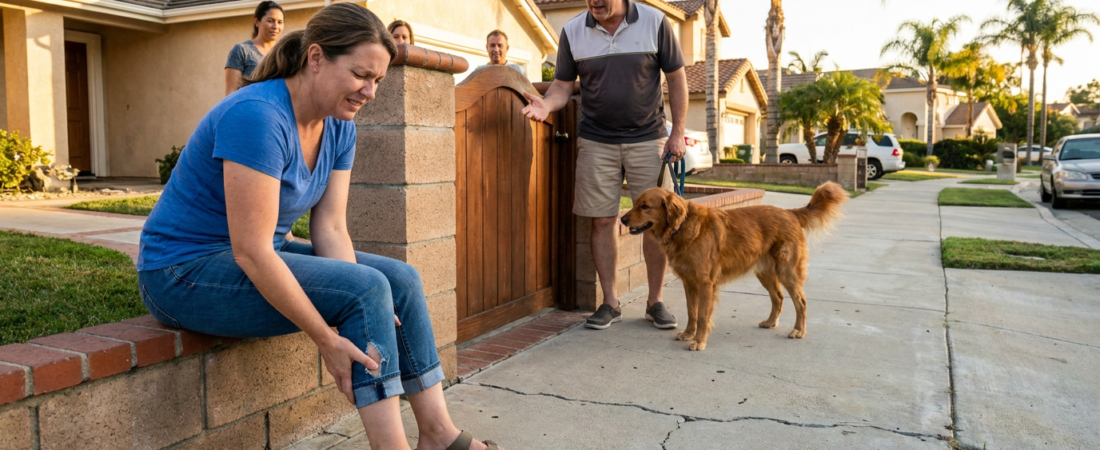
Maria, a freelance graphic designer in Los Angeles, was walking to a friend’s apartment one Saturday afternoon when a medium-sized dog pushed through a partially open front gate and bit her on the lower leg. The bite was quick, but serious enough to tear her jeans and break the skin. A nearby neighbor came over, and the dog’s owner rushed outside, apologizing and pulling the dog back inside the yard.
At first, Maria did not want to make a big issue out of it. The owner seemed sorry and gave her a phone number. But later that day, urgent care cleaned the wound, prescribed antibiotics, and recommended a follow-up visit because of swelling and bruising. Within two weeks, Maria had several medical bills, prescription costs, and missed time from work.
She contacted the dog owner and asked to be reimbursed. The owner initially said he would “take care of it,” but after Maria sent copies of the bills, communication slowed down. Then he claimed the dog had “never done that before” and suggested Maria must have startled it. When informal efforts failed, Maria decided to pursue the matter in small claims court.
Why the Dog Owner Could Be Liable in California
California is known for having strong protections for dog bite victims. In many cases, a dog owner can be held responsible when their dog bites someone who is lawfully in a public place or lawfully on private property. In practical terms, that means a person like Maria may not need to prove the owner knew the dog was dangerous.
That legal framework mattered because the owner kept repeating that the dog had never bitten anyone before. Maria’s claim focused on what happened, where it happened, and the losses she suffered afterward.
In small claims court, the judge still wants clear, simple proof. Even when the law may favor an injured person, the case needs documents that show:
- When and where the bite happened
- That the dog belonged to the defendant
- The nature of the injury
- The medical treatment received
- The amount of money being claimed
How the Paperwork and Evidence Were Prepared
Maria was unfamiliar with court forms and deadlines, so she turned to a Legal Document Assistant for help with the document side of the process. An LDA can assist with preparing forms at the client’s direction, typing information, assembling exhibits, and helping create an organized filing packet. An LDA cannot give legal advice, choose legal strategy, or tell a client what they should claim.
For Maria’s case, the preparation focused on clarity and organization.
Key documents gathered for the claim
- Photos of the injury taken the day of the bite and during healing
- Photos of torn clothing showing the location and force of the bite
- Urgent care records describing the wound and treatment
- Medical bills and prescription receipts
- A timeline of events from the incident through follow-up care
- Text messages with the dog owner acknowledging the incident
- Witness contact information for the neighbor who saw the aftermath
- Proof of lost income from missed client work, if applicable
How the claim amount was organized
One common problem in small claims cases is asking for a number without backing it up. Maria’s damages were broken down into a simple list:
- Urgent care visit
- Follow-up medical appointment
- Antibiotics and wound care supplies
- Replacement value of damaged jeans
- Documented lost income from one missed design deadline
Instead of handing the court a pile of receipts, the evidence was arranged into labeled exhibits with a summary sheet. That made it easier for the judge to follow the story quickly.
Step-by-Step: Preparing a California Small Claims Dog Bite Case
If you are dealing with a similar situation, these steps can help you prepare more effectively.
1. Get medical attention right away
Your health comes first. Prompt treatment also creates records connecting the injury to the incident.
2. Document the scene and injury
Take clear photos of the wound, clothing, and location if possible. Write down what happened while it is still fresh.
3. Identify the dog owner and any witnesses
Get names, addresses, phone numbers, and any available statements or messages.
4. Keep every receipt and bill
Small claims court depends on proof of actual losses. Save invoices, pharmacy receipts, and records of missed work.
5. Request payment before filing
A written demand can show the court that you tried to resolve the matter before suing.
6. Prepare the small claims forms carefully
Make sure names, addresses, dates, and dollar amounts are accurate. Filing errors can cause delays.
7. Organize exhibits for the hearing
Create a clean packet with numbered pages, a damages summary, and copies for the court and the other side.
What Happened in Court
At the hearing, Maria kept her presentation short and factual. She explained where she was walking, how the dog came through the gate, what treatment she received, and how much the incident cost her. She handed the judge a neatly organized set of exhibits.
The dog owner argued that the bite was not severe and that Maria was asking for too much. But he did not seriously dispute ownership of the dog, and his earlier text messages undercut his position. The judge focused on the medical records, the photos, and the itemized damages.
Maria was awarded most of what she requested: reimbursement for medical expenses, prescription costs, and damaged clothing. The judge reduced a portion of the lost income claim because the supporting documentation was limited. Even so, Maria recovered enough to cover the main financial impact of the incident.
Lessons From This Case
This installment in our interesting small claims court cases: the dog bite series highlights several practical lessons.
- Evidence matters more than emotion. Judges want clear proof, not just understandable frustration.
- Medical records are powerful. They connect the injury to the event and support the amount claimed.
- Organization can strengthen credibility. A simple, labeled evidence packet is easier for the court to trust and review.
- Not every claimed dollar will be awarded. Losses should be documented as thoroughly as possible.
- Early preparation reduces stress. Waiting until the last minute often leads to missing papers and weak presentation.
How an LDA Can Help With Small Claims Documents
For people handling their own small claims matter, document preparation can be one of the most stressful parts. A California Legal Document Assistant may help by:
- Preparing court forms at your direction
- Typing and organizing supporting documents
- Assembling exhibit packets
- Helping create timelines and damages summaries
- Reviewing paperwork for completeness before filing
Important disclaimer: A Legal Document Assistant is not an attorney and cannot give legal advice, evaluate the merits of your claim, tell you what you should say in court, or represent you at a hearing. If you need legal advice about liability, defenses, or strategy, you should consult a licensed California attorney.
Final Takeaway
Dog bite cases may sound straightforward, but success in small claims court often comes down to the basics: accurate forms, strong records, organized evidence, and a clear presentation. In Maria’s case, the story was compelling, but the documents carried the day.
If you are preparing your own California small claims paperwork and want help with the document side of the process, visit la-legaldocumentassistants.com. LA Legal Document Assistants helps self-represented clients prepare and organize legal documents efficiently and professionally.