If you are wondering how to sue in small claims court California, you are not alone. Many people have a real dispute, a stack of receipts, and no idea where to start. Small claims court is designed to be simpler than regular court, but the paperwork, service rules, and deadlines still matter. That is why many Californians use a registered Legal Document Assistant, or LDA, to help prepare forms and organize documents before the hearing.
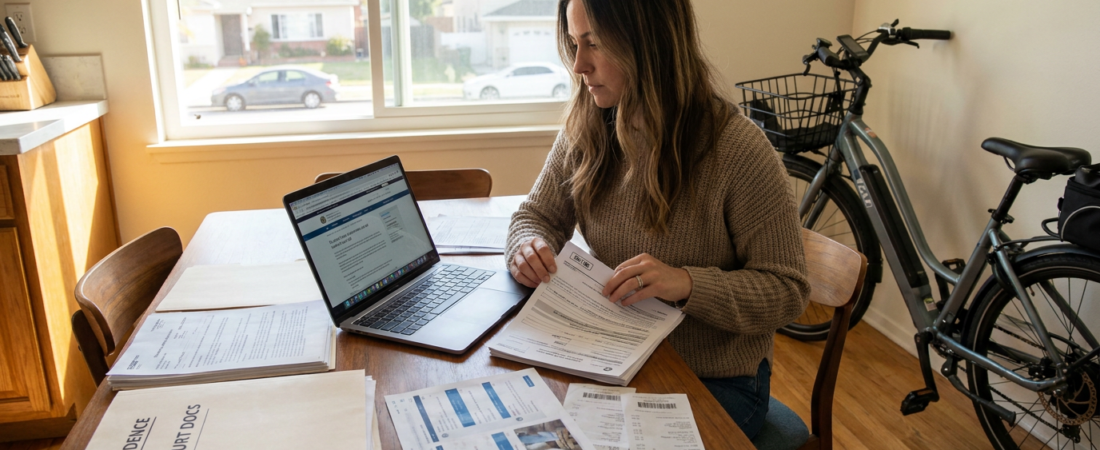
Take Maya, for example. She bought a used electric bike from a local online seller for commuting to work in Los Angeles. The seller promised in writing that the battery was new and the bike was in excellent working condition. Two days later, the battery failed, the repair shop told her it had been heavily used, and replacing it would cost nearly $1,400. Maya asked for a refund. The seller stopped responding. She did not want to hire a lawyer for a relatively modest claim, and in California, lawyers generally cannot appear with you in small claims court anyway. So she decided to move forward herself.
Her situation is exactly the kind of case small claims court was built for.
How to Sue in Small Claims Court California: Start With the Basics
California small claims court is meant for individuals and businesses seeking money damages within certain limits. In general:
- Individuals can sue for up to $12,500
- Businesses can sue for up to $6,250
Small claims is commonly used for disputes involving:
- Faulty private sales
- Property damage
- Unpaid personal loans
- Pet-related disputes
- Travel or event-related reimbursements
- Consumer purchases and misrepresentations
In Maya’s case, she believed the seller misrepresented the condition of the bike and battery, causing her financial loss.
Step 1: Make Sure You Have a Valid Small Claims Case
Before filing, gather the basic facts and ask:
- Who owes you money?
- How much are you claiming?
- Why do they owe it?
- Do you have proof?
- Are you within the time limit to sue?
Maya collected:
- The online listing screenshots
- Text messages with the seller
- Proof of payment
- The repair shop’s written battery evaluation
- A written estimate for replacement
These documents helped show what was promised, what she paid, and what went wrong.
Step 2: Try to Resolve the Dispute First
Judges often appreciate when a person made a reasonable effort to settle before filing. Send a clear written demand asking for payment by a specific date.
Maya sent a short demand letter stating:
- When she bought the bike
- What the seller represented
- What the repair shop found
- How much she was requesting
- A deadline to resolve the matter
The seller ignored her. That gave Maya a stronger position when she moved forward.
Step 3: File Form SC-100
The main form used to start a small claims case in California is Form SC-100, Plaintiff’s Claim and ORDER to Go to Small Claims Court. This form tells the court and the defendant:
- Who is suing
- Who is being sued
- How much money is requested
- Why the money is owed
- Where and when the hearing will take place
This is where details matter. A mistake in the defendant’s name, address, or the description of the claim can create delays.
How an LDA Helps With the Paperwork
A registered California Legal Document Assistant can help by:
- Typing and preparing Form SC-100 based on your information
- Making sure names, addresses, and claim amounts are clearly listed
- Helping assemble supporting documents for filing
- Providing procedural information about filing and service requirements
- Helping organize hearing exhibits in a professional format
Important disclaimer: A Legal Document Assistant is not an attorney and cannot give legal advice, choose legal strategies for you, or represent you in court. An LDA can provide self-help document preparation services at your direction.
Step 4: File in the Correct Court
You usually file in the proper small claims court based on where:
- The defendant lives or does business
- The dispute happened
- The contract or transaction took place
Maya bought the bike from a seller in Los Angeles County, and the transaction happened there, so she filed in the appropriate Los Angeles County small claims court location.
You will also need to pay a filing fee, which depends on the amount of your claim and how many claims you have filed in the past 12 months.
Step 5: Serve the Defendant Properly
Filing the case is only part of the process. The defendant must be legally served with the claim. You cannot serve the papers yourself.
Common service methods include:
- Personal service
- Substituted service, when allowed
- Certified mail by the court clerk in some cases
Service must be completed correctly and on time. If not, your hearing may be postponed or your case may not move forward.
In Maya’s case, she used a registered process server because the seller had stopped responding. After service was completed, proof of service was filed with the court.
Why Service Is So Important
Many small claims cases fail before the hearing because the plaintiff:
- Served the wrong person
- Used the wrong address
- Missed the deadline
- Did not file proof of service
An LDA can help you understand what documents need to be prepared and filed, and help you keep the paperwork organized, but again, cannot give legal advice about contested service issues.
Step 6: Organize Your Evidence for the Hearing
Since lawyers generally cannot appear with you in California small claims court, preparation matters. You need to present your story clearly and briefly.
Maya organized her evidence into a simple packet:
- Purchase listing screenshots
- Text message promises about the battery
- Receipt and payment proof
- Battery inspection report
- Repair estimate
- Copy of her demand letter
She made copies for:
- Herself
- The judge
- The defendant
Helpful Hearing Preparation Tips
- Create a timeline of events
- Bring originals and copies
- Highlight key statements and dates
- Focus on facts, not emotion
- Practice explaining your damages in under two minutes
A well-organized presentation can make a big difference.
Step 7: Attend the Hearing and Present Your Case
On the hearing date, arrive early, dress neatly, and be ready when your case is called. The judge will usually ask both sides questions.
Maya explained:
- What the seller promised
- What she paid
- What the repair shop found
- Why she believed she was owed money
The seller argued that the bike was sold as-is, but Maya showed the written messages specifically stating the battery was new. That evidence mattered.
If the judge agrees with you, the court may award a judgment for the amount proven, plus allowable costs.
Common Mistakes to Avoid
If you want to understand how to sue in small claims court California successfully, avoid these common errors:
- Suing the wrong legal name
- Asking for unsupported damages
- Filing in the wrong court
- Serving incorrectly or too late
- Showing up without organized evidence
- Relying only on verbal claims without documents
Why People Use an LDA for Small Claims Preparation
Small claims is designed for self-representation, but that does not mean the paperwork is effortless. Many people use a Legal Document Assistant because they want help with the process without paying full attorney rates for a matter where an attorney cannot appear in court with them anyway.
An LDA may help with:
- Preparing SC-100 and related documents at your direction
- Formatting attachments
- Organizing service paperwork
- Preparing exhibit packets
- Reducing clerical errors that can slow a case down
That practical support can be especially helpful when you are already dealing with the stress of a dispute.
Final Thoughts
Learning how to sue in small claims court California starts with understanding the rules, gathering proof, filing the right forms, and preparing for court. For many people like Maya, the process is manageable when broken into clear steps. The key is being organized from the beginning.
If you need help preparing small claims documents, la-legaldocumentassistants.com provides registered California Legal Document Assistant services for self-represented individuals. We are not attorneys and cannot give legal advice, but we can help you prepare and organize the paperwork you need to move forward.